Stop Wasting Leads Before They Become Subscribers
Turn leads into motivated email subscribers by treating signup as the start of a relationship, not the endpoint. The key is offering specific, immediate value that solves a problem your leads face today.

Turn Leads Into Motivated Email Subscribers
Turn leads into motivated email subscribers by giving them something they actually want right now. Most people wait too long to ask for the email. They pile on information when clarity would win faster. The single biggest shift happens when you treat signup as the start of a relationship, not the finish line.
Why People Who Turn Leads into Motivated Email Subscribers Focus on Value Exchange
Every lead asks the same silent question before giving you their email address. What do I get for this? You need a clear answer. Vague promises about newsletters or updates don’t cut it anymore.
A motivated subscriber trades their email for something specific and immediate. A PDF checklist works if it solves a problem they have today. A video tutorial works if it shows them exactly how to do something. A discount code works if they were already considering a purchase.
The exchange must feel fair. If your lead magnet takes three hours to consume, you’re asking too much. If it’s a single tip they could find on Google in two minutes, you’re offering too little. The sweet spot is something they can use in under 20 minutes that delivers a quick win.
Test your offer by asking yourself this question. Would you give your personal email to get what you’re offering? If you hesitate, your leads will too.
How Timing Changes When You Turn Leads into Motivated Email Subscribers
You lose subscribers when you ask for emails too early or too late. Too early means the visitor doesn’t trust you yet. Too late means they already got what they came for and left.
The right moment is when intent is visible but not yet satisfied. Someone who just read half your blog post is warm. Someone who watched your product demo video is warmer. Someone who added an item to cart but didn’t check out is hottest.
Exit intent popups work because they catch people at decision moments. They’re about to leave, so the cost of saying yes feels lower. Scroll-based triggers work when someone gets 70% down a long article. They’ve invested time, which signals interest.
Don’t interrupt someone who just landed on your site five seconds ago. They haven’t decided if you’re worth listening to yet. Give them space to look around first.
The Role of Specificity When You Turn Leads into Motivated Email Subscribers
Generic email signup forms get generic results. “Join our newsletter” tells people nothing about what they’ll actually receive. “Get weekly tips” is barely better because tips could mean anything.
Specific promises perform better because they let people self-select. “Get three client-getting strategies for freelance designers every Monday” tells designers exactly what to expect. People who want that will sign up. People who don’t will skip it, which saves you both time.
Your signup copy should answer three questions in under 20 words total. What will I get? How often will I get it? Why does it matter to me right now? Anything beyond that is noise.
One cleaning service company changed their form from “Subscribe for tips” to “Get our monthly deep-clean checklist.” Signups doubled in two weeks. Same traffic, different clarity. If you want to improve this process further, explore strategies for building subscriber relationships that last beyond the first email.
How the First Email Determines Whether You Turn Leads into Motivated Email Subscribers
The welcome email decides if someone stays subscribed. You have about 90 seconds of attention to prove you’re worth keeping around. Don’t waste it on a long company history.
Deliver what you promised immediately. If they signed up for a checklist, the checklist should arrive in under two minutes. If they expected a discount code, put it in the subject line of the first email.
Then set expectations for what comes next. Tell them exactly when the next email arrives and what it will contain. “You’ll hear from me every Thursday with one tested marketing tactic” is clear. “Stay tuned for updates” is not.
Include a small ask that builds engagement without requiring much effort. A one-click poll works well. A simple reply prompt works too. “Hit reply and tell me your biggest challenge with X” gets responses because it’s personal and specific.
Sound familiar? Most welcome emails feel like legal documents instead of conversations. Yours should feel like a friend keeping a promise.
Why Segmentation Helps You Turn Leads into Motivated Email Subscribers Faster
Not every lead wants the same thing from you. Treating them all identically means your emails will feel irrelevant to most people. Relevance keeps people subscribed.
The simplest segmentation happens at signup. Ask one question that splits your list into two or three groups. An online course creator might ask “Are you a beginner or experienced?” A software company might ask “What’s your company size?”
Each segment gets different content based on their answer. Beginners get foundational how-to emails. Experienced users get advanced tactics. Small companies get budget-friendly options. Large companies get enterprise features.
You can also segment based on behavior after signup. Someone who clicks every link you send is more engaged than someone who never opens. Send your most engaged subscribers your best offers first. Send your cold subscribers a re-engagement campaign before you give up on them.
This approach requires more setup time upfront. The payoff is higher open rates and fewer unsubscribes later. Worth it.
What Frequency Looks Like When You Turn Leads into Motivated Email Subscribers Successfully
Sending too often annoys people and triggers unsubscribes. Sending too rarely makes people forget who you are. Both problems kill list engagement over time.
The right frequency depends on your industry and what you promised. Daily emails work for news sites and ecommerce stores with new deals. Weekly emails work for most B2B companies and content creators. Monthly emails work for industries with longer buying cycles.
Consistency matters more than frequency. If you say weekly, send weekly. If you skip two weeks without warning, trust drops. People start wondering if you’re reliable.
Watch your metrics to find the threshold where unsubscribes spike. If unsubscribes jump when you go from twice weekly to three times weekly, you found your limit. Pull back slightly and hold that pace.
Let subscribers control their own frequency when possible. A preference center that offers daily, weekly, or monthly options keeps people subscribed longer. They stay because they’re getting exactly what they want. Many businesses find success by learning how to nurture leads effectively through consistent, valuable communication.
How Mobile Experience Affects Efforts to Turn Leads into Motivated Email Subscribers
Most people check email on phones now. Your signup forms and emails need to work perfectly on small screens. If they don’t, you lose subscribers before they even join.
A mobile signup form should have large tap targets and minimal fields. Asking for first name and email works. Asking for company name, job title, phone number, and address doesn’t. Every extra field cuts conversions by roughly 10% on mobile.
Your emails should render correctly without zooming or horizontal scrolling. Single-column layouts work best. Font size should be at least 14 pixels for body text. Links and buttons need enough space around them to tap accurately.
Test every email on an actual phone before sending it to your whole list. Desktop previews lie. What looks fine on a 27-inch monitor often breaks on a 6-inch phone screen.
The Connection Between Content Quality and Turning Leads into Motivated Email Subscribers
People stay subscribed when your emails teach them something useful every time. They unsubscribe when your emails feel like filler or thinly disguised sales pitches. The ratio matters.
A good rule is 80% education and 20% promotion. Four emails that help, one email that sells. If you flip that ratio, people tune out fast. They signed up to learn, not to get marketed to constantly.
Each email should have one main idea and one clear takeaway. Trying to cover five topics in 300 words means nothing lands. Pick one thing, explain it clearly, show how to use it.
Quality beats length. A 150-word email that solves one problem is better than a 1000-word email that rambles. Respect the time people give you. Get in, add value, get out.
This is where most businesses fail. They build a list and then don’t know what to send. Plan your first 10 emails before you start collecting addresses. That preparation shows in your retention rates.
Why Transparency Improves Your Ability to Turn Leads into Motivated Email Subscribers
Hidden agendas kill trust faster than almost anything else. If you’re collecting emails to spam people with daily sales pitches, they’ll figure it out and leave. Be honest about your intentions upfront.
Tell people exactly what they’re signing up for. If you’re going to send promotional emails, say so. “You’ll get one tutorial every week plus occasional product announcements” sets clear expectations. People respect honesty.
Make unsubscribing easy. Hiding the unsubscribe link or making it complicated just frustrates people. A frustrated person leaves worse reviews and tells more people about their bad experience. Let them go gracefully.
Show your face and use your real name. Emails from “info@company.com” feel corporate and cold. Emails from “Sarah at Company” feel like they come from a real person. People connect with people, not with brands. For deeper insights on maintaining these connections, check out this guide on nurturing your email list through authentic engagement.
How Data Reveals What Works When You Turn Leads into Motivated Email Subscribers
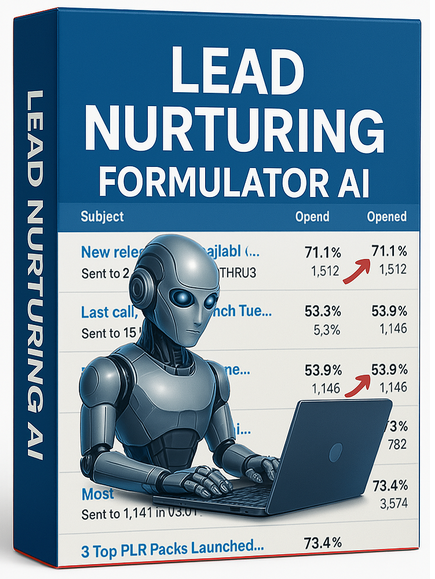
You can’t improve what you don’t measure. Track your open rates, click rates, and unsubscribe rates for every email you send. These numbers tell you what’s working and what isn’t.
An open rate below 15% means your subject lines aren’t compelling enough. A click rate below 2% means your content isn’t engaging enough. An unsubscribe rate above 0.5% means something went wrong with that specific email.
Subject line testing shows you what language resonates. Send the same email to half your list with one subject line and half with another. The winner becomes your new baseline to beat.
Track which topics get the most engagement. If your emails about case studies get 30% click rates and your emails about theory get 5%, send more case studies. Your audience is telling you what they value.
Look at signup source data too. If 60% of your best subscribers come from one specific blog post, write more content like that post. Double down on what’s already working instead of guessing at new approaches.
Frequently Asked Questions
How long should my lead magnet be to turn leads into motivated email subscribers?
Your lead magnet should take under 20 minutes to consume and use. People want quick wins, not homework assignments. A three-page checklist often outperforms a 50-page ebook because it’s immediately actionable.
What’s the best day to send emails to new subscribers?
Tuesday through Thursday typically get the highest open rates for most industries. Avoid Mondays when inboxes are crowded and weekends when people ignore work emails. Test your specific audience because some industries differ from these patterns.
How many emails should I send before trying to sell something?
Send at least three purely educational emails before your first sales pitch. This builds trust and shows you’re not just farming emails for quick sales. The ratio of helpful content to promotional content matters more than exact timing.
Should I buy an email list to grow faster?
Never buy email lists. Purchased contacts didn’t give you permission and will mark you as spam. This tanks your sender reputation and gets your domain blacklisted. Grow your list organically even though it takes longer.
How do I re-engage subscribers who stopped opening my emails?
Send a direct re-engagement email asking if they still want to hear from you. Offer to update their preferences or remove them from the list. Keep only people who actively choose to stay because engaged subscribers matter more than list size.
Start building your signup form today with one specific offer that solves one clear problem for your ideal subscriber.