7 Marketing Tools Smart Businesses Use Daily
Top resources for online marketers evolve constantly as algorithms change, requiring marketers to know exactly where to find fresh strategies and tools. Essential content creation tools like Jasper, Copy.ai, Grammarly, and Hemingway Editor help marketers generate drafts faster, catch writing errors, and improve clarity to save hours of work weekly.

Top Resources For Online Marketers
Top resources for online marketers keep changing every six months. You find a tool that works perfectly. Then the algorithm shifts and you need something else. Your success depends on knowing exactly where to look when you need fresh strategies.
Top resources for online marketers who need content creation tools
You write emails, landing pages, social posts, and blog articles every week. The blank page still shows up every morning. Tools like Jasper and Copy.ai generate first drafts in minutes. You edit them into your voice. This saves hours.
Grammarly checks your writing for errors you always miss. It catches comma splices and unclear phrasing. Hemingway Editor shows you which sentences run too long. You paste your text and see yellow highlights. Those are the sentences you need to split.
Canva creates graphics without design skills. You drag elements and change colors. Templates exist for every platform size. Your posts look professional in five minutes. The free version works fine for most marketers.
Video matters more each year. Descript lets you edit videos by editing text. You delete words from the transcript. The video cuts automatically. Loom records quick screen shares for tutorials. These tools handle the formats your audience wants.
Analytics platforms among top resources for online marketers
Google Analytics tracks who visits your site and what they do. You see which pages get views. You see which pages make people leave. The audience report shows age, location, and interests. This tells you if you attract the right people.
Google Search Console reveals which keywords bring traffic. You discover searches you rank on page two for. Those are chances to improve. The coverage report shows indexing errors. You fix them before they hurt rankings.
Hotjar records actual visitor sessions on your site. You watch them scroll, click, and hesitate. They abandon forms at specific fields. You see the exact problem spot. Heatmaps show where eyes focus. You move your call to action there.
Facebook Pixel tracks actions people take after seeing your ads. Someone clicks your ad but buys three days later. The pixel connects that sale back to the ad. You know which campaigns actually work. You stop the ones that waste money.
These platforms catch mistakes you never notice otherwise. Your bounce rate doubles on mobile. Analytics shows you this in two days. You fix the mobile layout fast. Without data, you lose visitors for months.
Email and automation systems in top resources for online marketers
ConvertKit handles email sequences for course creators and coaches. You tag subscribers based on what they click. Different tags trigger different emails. Someone downloads your lead magnet about Facebook ads. They get your Facebook email series, not your SEO series.
ActiveCampaign adds more complex automation. You can split paths based on multiple conditions. Someone opens three emails but doesn’t buy. They move to a different nurture sequence. The interface takes time to learn. The power justifies it.
MailerLite costs less and works for simple needs. You send broadcasts and basic sequences. The drag editor makes nice templates. Reports show open rates and click rates. Most beginners start here.
Zapier connects your email tool to everything else. Someone fills out a Typeform survey. Zapier adds them to a specific email list. It updates your spreadsheet. It posts to Slack. You set this up once. It runs forever.
Email still converts better than social media for most niches. Your list is yours. Instagram could ban your account tomorrow. Your email subscribers stay with you. Build that asset first.
Learning platforms that count as top resources for online marketers
YouTube offers free training on every marketing topic. Search for case studies and strategy breakdowns, not basic tutorials. Look for videos from practitioners showing real results with metrics, screenshots, and ROI data. Check upload dates carefully—marketing changes rapidly. A 2019 Facebook ads tutorial becomes outdated quickly due to algorithm changes, policy updates, and shifting audience behavior. Prioritize recent content from channels focused on performance marketing, conversion optimization, and data-driven tactics over inspirational content.
Skillshare and Udemy sell courses for cheap during sales. You pay twenty dollars for ten hours of lessons. Quality varies wildly. Read recent reviews before buying. People mention if the content feels outdated.
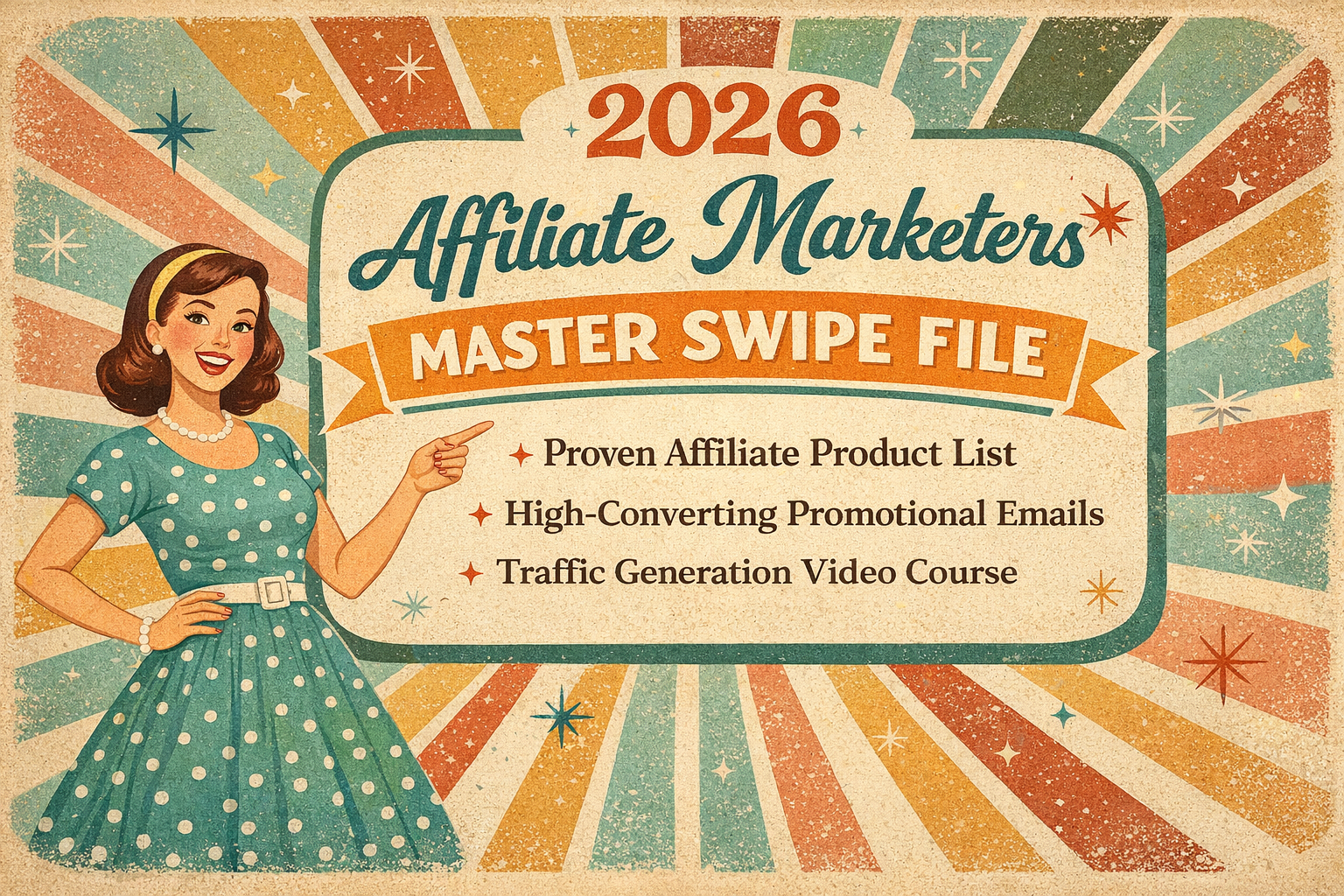
The complete swipe file collection shows proven campaigns you can model. You see subject lines that got high open rates. You see landing pages that converted cold traffic. Studying what worked beats guessing.
Podcasts teach you during commutes. Marketing School with Neil Patel runs ten minutes daily. My First Million shares business breakdowns. The Game with Alex Hormozi covers offers and sales psychology. You absorb ideas while driving.
Books still matter. Traction by Gabriel Weinberg lists nineteen marketing channels. You test them systematically. Breakthrough Advertising by Eugene Schwartz explains customer awareness stages. Influence by Robert Cialdini reveals persuasion psychology. These concepts don’t expire.
Community and networking in top resources for online marketers
Reddit communities like r/PPC and r/SEO share current strategies. People post screenshot proof of what works. You ask specific questions and get answers in hours. The noise level runs high. Sort by top posts to find value.
Facebook groups connect you with marketers in your niche. Some groups require applications. Those usually have better discussions. You share wins and losses. Someone solved the exact problem you face today.
Slack communities offer real-time chats. Growth Marketing Pro and Online Geniuses host thousands of marketers. You ask a question at lunch. Three people reply with suggestions. The archive search helps you find old conversations.
Twitter follows let you learn from practitioners. Follow people running actual campaigns, not just teachers. They tweet problems and solutions in real time. You see the messy middle, not polished case studies.
One good connection beats a hundred mediocre ones. Find someone six months ahead of you. Ask them one specific question per month. Offer help in return. This relationship teaches you more than any course.
Research and competitive intelligence tools
SEMrush shows which keywords your competitors rank for. You enter their domain. You see their top pages and traffic estimates. The gap analysis reveals keywords they rank for but you don’t. Those are opportunities.
Ahrefs crawls backlinks across the web. You see who links to competitor content. You find the same sites and pitch them. The content explorer shows popular articles by topic. You create better versions of what already works.
SpyFu focuses on paid search competitors. You see their ad copy and landing pages. You see which keywords they bid on. You see their testing history over years. This collection of proven templates speeds up your own campaign creation.
SimilarWeb estimates traffic sources for any site. You learn if competitors get visitors from search, social, or referrals. You double down on channels that work in your niche. You avoid channels that fail.
BuzzSumo finds the most shared content on any topic. You enter a keyword. You see articles with thousands of shares. You analyze why they spread. You apply those angles to your content.
These tools cost money. Start with free trials. Test one at a time. Pick the one that solves your biggest current problem. You don’t need all of them at once.
Testing and conversion improvement resources
Google Optimize runs split tests on your landing pages. You create two versions of a headline. Half your visitors see version A. Half see version B. The tool tracks which converts better. You keep the winner.
Unbounce builds landing pages fast without coding. Templates come ready to test. You change the headline and call to action. You publish in minutes. Speed matters when you test offers.
VWO adds advanced testing features. You can test entire funnels, not just single pages. The session recordings show why people don’t convert. You watch them get confused at a specific step.
Really Good Emails collects thousands of marketing emails. You search by industry and purpose. You see welcome sequences and cart abandonment emails. You model structure and tone for your own messages.
Swipe files matter more than most marketers realize. Studying proven examples from successful campaigns cuts your testing time in half. You start with what worked instead of random guesses.
One good test per month beats ten bad ones. Change one element at a time. Wait for statistical significance. Document what you learn. Small improvements compound over years.
Frequently Asked Questions
Which free tools should new online marketers start with?
Start with Google Analytics, Google Search Console, and Canva. These three cover traffic tracking, search visibility, and graphic creation. Add a free email tool like MailerLite when you have subscribers. Don’t pay for tools until free versions limit your growth.
How often should online marketers learn new tools?
Test one new tool every quarter. Master your current stack before adding more. Too many tools create confusion and wasted subscriptions. Focus on depth, not breadth. One tool used well beats five tools used poorly.
Do expensive marketing tools actually work better than cheap ones?
Expensive tools offer more features, not better basic functions. Cheap tools handle fundamentals fine for most marketers. You need advanced features only at higher traffic volumes. Start cheap and upgrade when you hit limits. Price doesn’t guarantee results.
What should online marketers track in analytics tools first?
Track traffic sources, bounce rate, and conversion rate first. These three metrics reveal your biggest problems quickly. Traffic sources show where visitors come from. Bounce rate shows if content matches expectations. Conversion rate shows if your offer works.
How do online marketers stay current without information overload?
Follow five trusted sources and ignore the rest. Check them once per week, not daily. Set specific learning time instead of random browsing. Apply one new tactic before learning another. Action beats consumption every time.
Pick three resources from this list and use them consistently for thirty days before adding more.